

Can an Eye Exam Detect Diabetic Retinopathy Before Symptoms Begin?
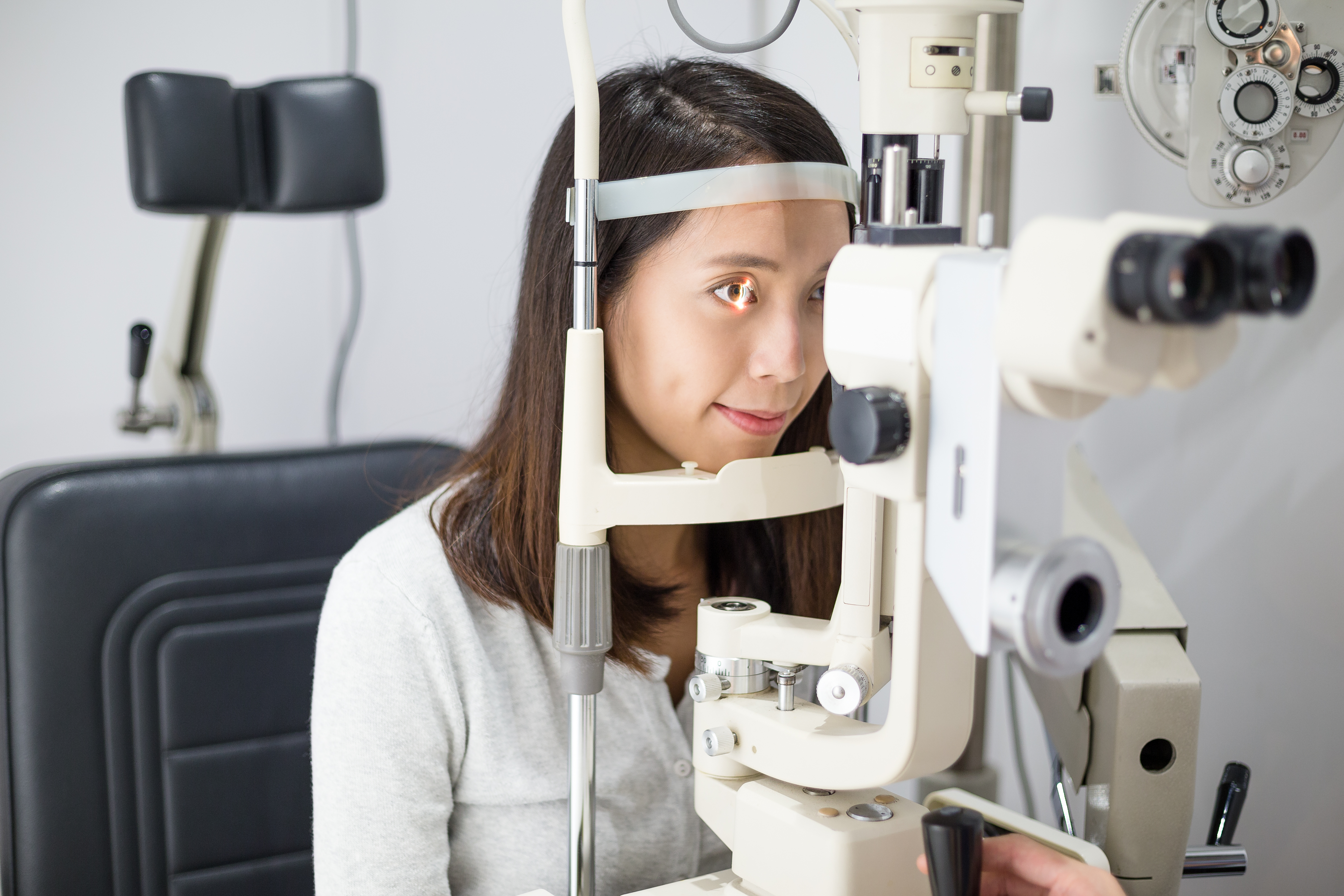
Diabetic retinopathy can develop quietly. In its early stages, it may not cause blurry vision, discomfort, or other noticeable changes. A person can feel that their eyesight is normal while diabetes is already affecting the small blood vessels in the retina. At Linden Optometry, we provide thorough diabetic eye exams in Pasadena to look for subtle changes before they begin interfering with your sight.
What Is Diabetic Retinopathy?
Diabetic retinopathy occurs when elevated blood sugar damages the blood vessels that nourish the retina. These vessels may weaken, leak fluid, bleed, or become blocked. As the condition progresses, new and unwanted blood vessels can also develop due to hypoxia, where oxygen is not delivered properly to nourish the retina. These new blood vessels are known as neovascularization, and they are much weaker in structure and will cause more unwanted bleeding in the retina.
The early stages of diabetic retinopathy usually do not produce symptoms. Without an eye exam, these changes can go unnoticed until the condition becomes more advanced, irreversible, and can eventually lead to blindness.
How Does an Eye Exam Detect Early Retinal Changes?
During a diabetic eye exam at our Pasadena office, we carefully evaluate the health of the retina and other internal structures of the eye. Dilating the pupils allows us to get a clearer view of the blood vessels and retinal tissue.
An eye exam may reveal findings such as:
• Areas of bleeding in the retina
• Swelling at visual center (also known as macular edema)
• Changes in retinal blood vessels
These findings may be present even when you can read an eye chart clearly and have not noticed any vision changes. A comprehensive dilated eye exam or retinal photography is crucial in identifying diabetes-related eye problems before it is too late.
Why Early Detection Matters
Detecting diabetic retinopathy early gives you and your healthcare providers an opportunity to respond before significant and permanent vision loss occurs. Mild changes may only require closer monitoring and tight control of blood sugar levels, blood pressure, and cholesterol. More advanced changes may require treatment and management from a retinal specialist.
Early diagnosis and timely treatment can help prevent or delay severe vision loss from diabetic retinopathy. Regular exams also allow us to document changes over time and determine whether additional care may be necessary.
Do You Need an Exam if Your Vision Seems Normal?
Absolutely! Clear vision does not always mean the retina is healthy. Many patients with early diabetic retinopathy do not experience symptoms, which is why waiting for blurry vision to occur can delay important care.
People with diabetes should schedule an annual eye exam with our optometrist. Your recommended frequency may depend on the type of diabetes you have, how long you have had it, your blood sugar control, pregnancy, and whether retinal changes have already been detected.
Schedule a diabetic eye exam with Linden Optometry to protect your sight from diabetic retinopathy before symptoms begin. Contact our office in Pasadena, CA, by calling (626) 796-1191 to book an appointment today.


© 2026 Linden Optometry, A P.C.. All rights Reserved - Accessibility Statement - Privacy Policy - Sitemap
Powered by
