

Why Diabetic Eye Exams Are Essential Even When Your Vision Seems Normal
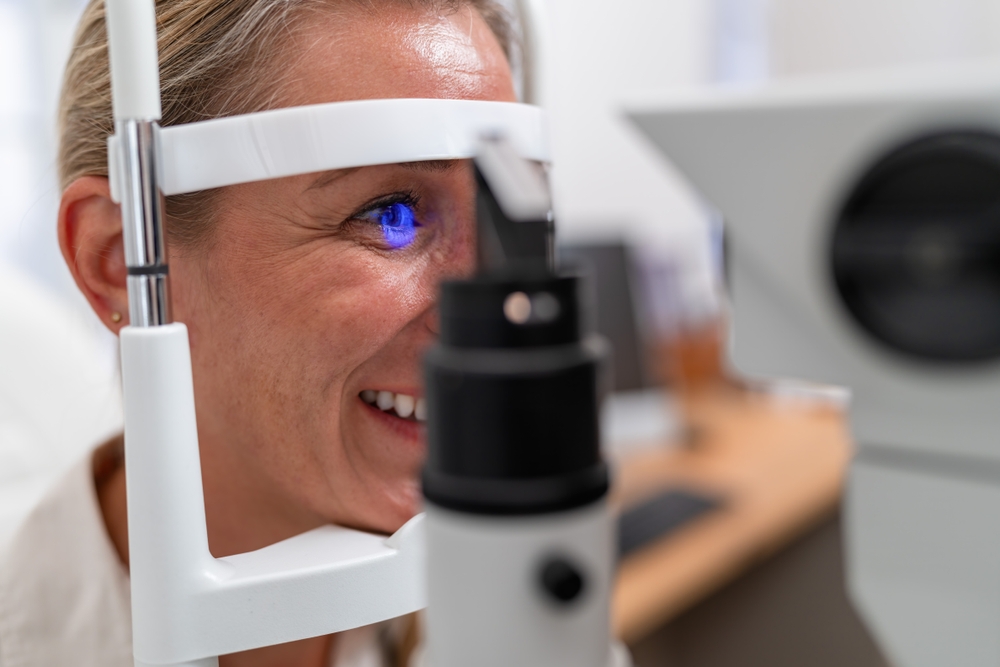
Just because your vision seems clear does not mean your eyes are free from health concerns. Diabetes can affect your eyes long before you notice blurry vision or other symptoms. At Linden Optometry in Pasadena, CA, we encourage patients with diabetes to prioritize regular diabetic eye exams to detect potential problems early and protect their long-term eye health.
Diabetes Can Affect Your Eyes Without Warning Signs
One of the most common diabetes-related eye conditions is diabetic retinopathy. This condition develops when elevated blood sugar levels damage the small blood vessels in the retina, the light-sensitive tissue at the back of your eye.
During the early stages, diabetic retinopathy often causes no noticeable symptoms. You may still read, drive, and complete daily activities without difficulty, even as changes develop inside your eyes.
Diabetes can also increase your risk of other eye conditions, including glaucoma, cataracts, and diabetic macular edema. Regular diabetic eye exams in Pasadena help us identify these concerns before they significantly affect your vision.
What Happens During a Diabetic Eye Exam?
A diabetic eye exam involves more than checking whether you need glasses or contact lenses. We evaluate your overall eye health and look for changes associated with diabetes.
Depending on your individual needs, your examination may include:
- Visual Acuity Testing: Measuring how clearly you see at different distances and identifying changes in your vision.
- Dilated Retinal Examination: Examining the retina for damaged blood vessels, bleeding, swelling, or other abnormalities.
- Retinal Imaging: Capturing detailed images of the back of your eyes to help identify and monitor changes over time.
- Eye Pressure Testing: Checking pressure inside your eyes as part of evaluating your risk for glaucoma.
- Anterior Eye Health Assessment: Examining other important eye structures for signs of diabetes-related complications.
How Often Should You Have a Diabetic Eye Exam?
Most people with diabetes should receive a comprehensive dilated eye exam annually, although the recommended schedule depends on their medical history and examination findings.
People diagnosed with type 2 diabetes should schedule an eye examination at the time of diagnosis. People with type 1 diabetes generally need their first dilated examination within five years of diagnosis.
If your eyes remain healthy and your diabetes is well controlled, your eye doctor may recommend examinations every one to two years. Patients with diabetic retinopathy or other complications may require more frequent monitoring or a referral to visit a retinal specialist. Even when your vision seems normal, staying consistent with your recommended eye exam schedule is important.
Why Early Detection Makes a Difference
Detecting diabetic eye disease early can help prevent or reduce the risk of permanent vision loss. When we identify changes in your retina, we can recommend appropriate monitoring, coordinate with your healthcare providers, or refer you for specialized treatment when necessary.
Managing blood sugar, blood pressure, and cholesterol also plays an important role in protecting your vision. However, healthy habits do not replace professional diabetic eye examinations. If you experience sudden vision loss, new flashes of light, a sudden increase in floaters, or a shadow across your vision, seek urgent eye care rather than waiting for your next scheduled appointment.
If you have diabetes, don't wait until your eyesight changes to schedule an examination. Contact Linden Optometry to schedule your diabetic eye exam and take a proactive step toward protecting your vision. Visit our office in Pasadena, CA, or call (626) 796-1191 to book an appointment today.


© 2026 Linden Optometry, A P.C.. All rights Reserved - Accessibility Statement - Privacy Policy - Sitemap
Powered by
